
The New Black AI is an AI fashion design platform. It turns text prompts, sketches, and reference photos into clothing, bag, and shoe concepts. Designers use it to test ideas quickly, show looks on AI models, and prepare tech packs for factories.
It runs on credits, so your cost depends on how much you generate. This guide explains how the platform works, what its main tools do, how pricing is structured, and where it falls short. You will also see who gets real value from it and who should look elsewhere.
What is The New Black AI?
The New Black AI is a web platform for fashion designers, apparel brands, and independent creators. A team of designers and developers based in New York and Paris runs it. The company says more than 500,000 designers and brands use it.
The core idea is simple. You describe a garment in plain language, and the system returns several visual variations. Ask for a black and white dress for a ceremony and you get a set of options. Then adjust the wording until the results match what you pictured.
A community side exists too. Designers share their creations, and other users can copy the prompt behind a design with one click. That shortcut helps newcomers learn which wording works.
The company states that the designs you generate are yours once created. Read the current terms before using outputs in a commercial collection, because licensing rules for AI work can change.
Key features of The New Black AI
The platform bundles many tools under one login. These are the ones that matter most in daily design work.
AI outfit and design generator
This is the core of the product. You type a description, upload a sketch, or start from a reference image. The generator then produces concepts for clothing, bags, and shoes. You can also upload a fabric photo and build a garment around that pattern. A variation tool remixes an existing image, and a deviation setting controls how far the result drifts.
AI models and virtual try-on
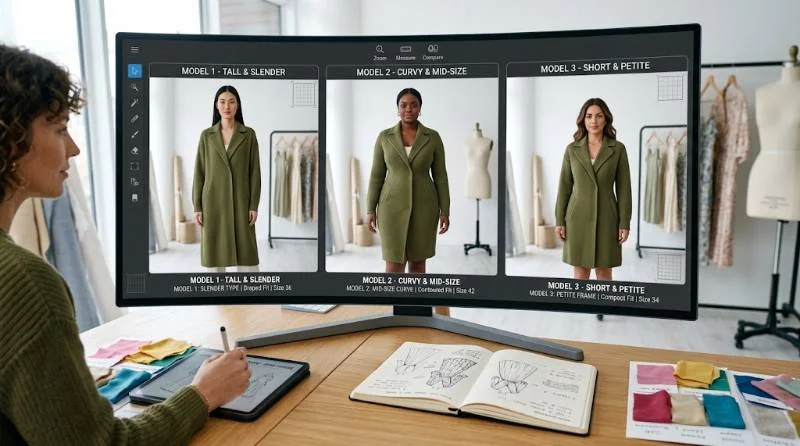
Instead of booking a photoshoot, you place designs on AI-generated models. You can change poses, adjust appearance, and test one garment across body types. This works well for early lookbooks, client pitches, and store mockups. It shows proportion and styling clearly. It cannot prove how a real fabric will hang.
1: Tech pack creator
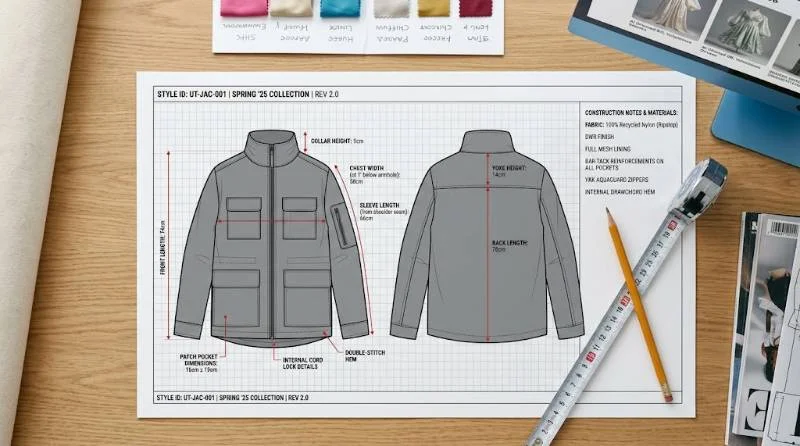
The tech pack tool converts an approved design into a production document. It includes flat sketches, measurements, and construction notes a factory can read. Designers who once rebuilt these files by hand save the most time here. Treat the output as a strong first draft for a technical designer to review.
2: Branding tools and collections
The platform helps you build a brand around your garments too. You can create moodboards, logos, slogans, and unique selling propositions. Collections keep a capsule of twelve looks organized. Most paid plans let you add team members and share projects.
3: Video, 3D, and trend tools
The platform also offers image-to-3D previews, short AI videos, and trend prediction. The video output suits style presentations more than product-page marketing. Confirm that your plan includes each tool before you rely on it.
How to use The New Black AI
Most first projects follow the same path.
- Sign up and spend the free credits on one test prompt.
- Describe the garment by silhouette, fabric, color, and length, or upload a sketch.
- Review the variations and rewrite the prompt to move closer to your idea.
- Place the strongest design on a model and try different poses.
- Generate a tech pack, then export high-resolution files for decks, lookbooks, or your manufacturer.
Pick a design you know well for your first test. A familiar idea makes it easy to judge how closely the tool follows your instructions.
The New Black AI pricing and credits
The New Black AI gives new users three free credits. After that, you buy credits in one of two ways.
One-time packs run from 40 credits for $5 up to 1,000 credits for $80. Monthly plans start at $8 for 100 credits and climb to $300 for 5,000 credits.
Monthly plans lower your cost per credit. A 100-credit plan works out to about 8 cents per credit, while the same 100 credits as a pack costs 10 cents. At the 1,000-credit level, the monthly plan is about 6.5 cents against 8 cents for the pack. The 5,000-credit plan is about 6 cents.
Your rhythm decides the better deal. If you design in bursts around seasonal drops, a pack avoids paying for idle months. If you generate every week, a monthly plan costs less.
Prices and credit amounts change, so confirm them on the official site before you buy. Also check how many credits each tool uses, because that sets your real cost per finished design.
Strengths of The New Black AI
Breadth is the main advantage. Design, models, branding, and production documents live in one place, so you avoid moving files between several apps.
Speed comes second. You can go from a written idea to a presentable visual in minutes. That shortens early client rounds and cuts the samples you order just to test a concept.
Collaboration is built in. Shared projects let a designer, a merchandiser, and a founder review the same boards.
Limitations to know before you pay
The wide toolset has a cost. New users can feel overwhelmed by how many options appear at once. Start with one workflow, such as prompt to model, and add tools later.
Style sameness is a real risk. When many designers use the same generators, outputs drift toward a shared look. Upload your own sketches, swatches, and references to stay distinct.
Fit and drape are visual estimates. A render shows proportion, but it cannot confirm how heavy wool or slippery satin behaves on a body. Physical sampling still decides fit.
Complex construction needs manual work. Specialty materials, unusual seams, and layered garments often need extra detail added to the tech pack by hand.
Outputs also need refinement. The AI can miss small details in your vision, so plan on editing prompts several times.
Finally, it is built for fashion. Brands selling furniture, electronics, or general goods will find little use for it.
Can The New Black AI replace a technical designer?
No, and brands that assume otherwise run into trouble. The tech pack gives you a head start with measurements, a bill of materials, and construction details. A factory still has vendor-specific requirements, tolerances, and grading rules. A technical designer should check every pack before it leaves your team.
The same applies to pattern making. AI visuals suggest how a garment might look, but a pattern maker turns that into shapes that fit a body. Use the tool to reach a good brief faster, not to skip the people who make the garment work.
Who should use The New Black AI?
Independent designers and small labels get the clearest payoff. One person can explore a twelve-look capsule, test colorways, and build pitch visuals without hiring a model or renting a studio.
Direct-to-consumer brands can prototype a hero hoodie in six colors before ordering samples. Agencies can build client-ready visuals for a collaboration pitch. Students can learn silhouette and color decisions quickly.
Some users should skip it. Large houses with established 3D pipelines may find its tools too light. Stores that only need clean photos of finished stock want a photography-focused tool. Anyone selling outside fashion should look elsewhere.
The New Black AI alternatives
No single tool covers every stage, so match the tool to the job.
Fashion Diffusion focuses on quick sketch-to-render work. Resleeve specializes in photorealistic renders of sketches. Style3D and Browzwear center on 3D garment simulation and production accuracy, which suits manufacturers and larger teams. FASHN targets virtual try-on for online stores, while Photta and StyleScan lean toward on-model marketing images.
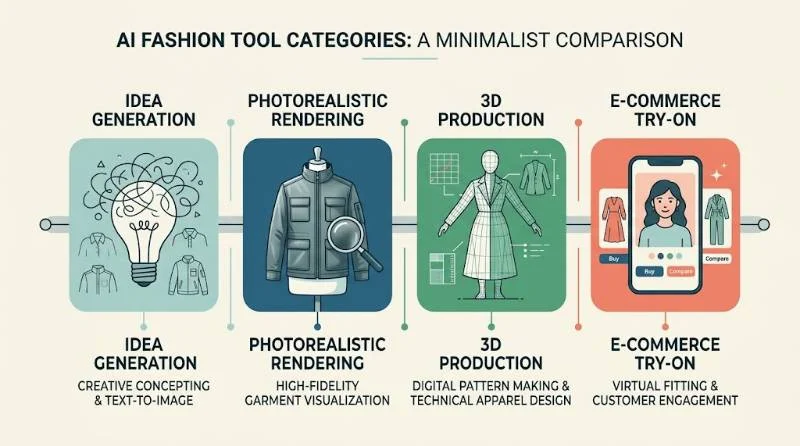
Many designers combine tools. They ideate and build tech packs in The New Black AI. Then they move finished designs into a try-on or photo tool for store imagery. That split plays to each product’s strength.
Tips for better results with The New Black AI
Write prompts like a design brief. Name the garment, silhouette, fabric, color, length, and neckline. A black wool midi dress with structured shoulders beats “elegant dress.”
Feed it your own material. Upload sketches and fabric photos so the output reflects your direction.
Use the variation tool in small steps. A low deviation setting keeps the layout and changes details. A high setting explores new directions.
Test one design end to end before a full collection. Run it through prompt, model, and tech pack so you learn the real credit cost.