
Claude Code does not have its own free plan. The Anthropic free plan covers chat on the web and mobile apps only. To run Claude Code in your terminal, you need at least a Pro subscription, an API account with credits, or a spot in the Claude for Open Source program.
Does the free Claude plan include Claude Code
No. According to Anthropic’s own pricing page, the Free plan lists chat on web, iOS, Android, and desktop, along with code generation, data visualization, web search, memory, and file creation inside the chat interface. Claude Code itself, the terminal-based coding agent, is not on that list. Anthropic’s FAQ states it plainly: Claude Code is included in all paid plans, and it draws from the same usage pool as your regular chats.
So if you install the Claude Code CLI and log in with a Free account, you’ll hit a wall almost immediately. The tool works, but the usage window closes fast because Free-tier limits were built for occasional chat questions, not multi-step coding loops that call the model dozens of times per task.
Start with a Pro subscription for the cheapest paid entry
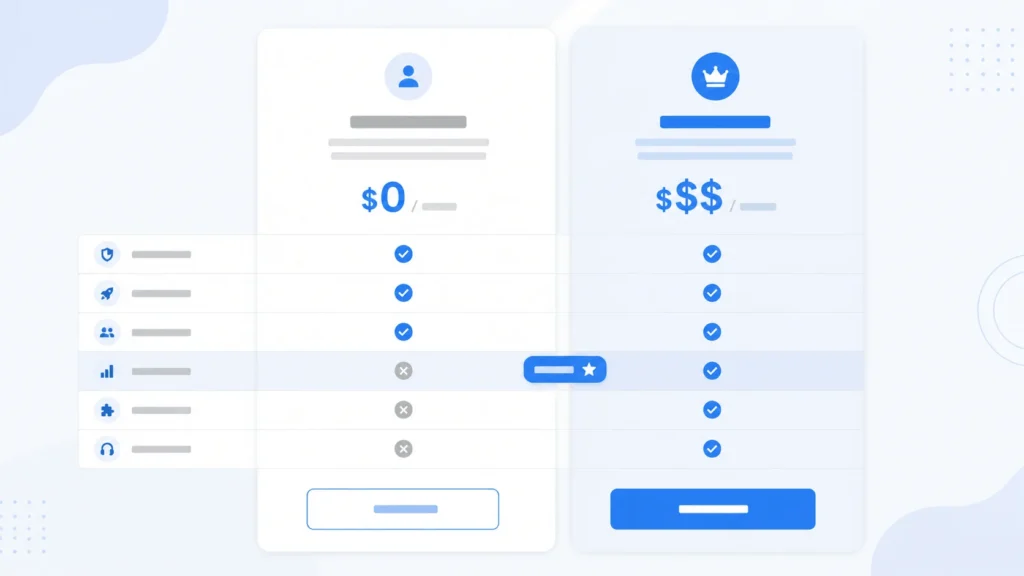
Pro is the entry point Anthropic actually built for Claude Code. It costs 17 dollars a month if you pay annually, or 20 dollars a month billed monthly. Pro includes everything in Free, plus full Claude Code access, Claude Cowork, Claude Design, more usage per five-hour session, and access to more models.
For someone coding a few hours a week on personal projects, Pro is usually enough. The catch is that Anthropic does not publish exact token or message caps. Usage resets on a rolling five-hour window, and paid plans add a weekly ceiling on top. If you run Claude Code most of the day, every day, you’ll likely bump into that ceiling within a week or two, and the next step up is Max at 100 or 200 dollars a month for 5x or 20x more usage.
Get free API credits to test Claude Code
If you’d rather pay per token instead of a flat subscription, new Anthropic API accounts get a small starting credit, commonly cited around 5 dollars, enough for a handful of short Claude Code sessions on Sonnet. Once that runs out, API billing kicks in at standard rates: Sonnet 5 is priced at 2 dollars per million input tokens and 10 dollars per million output tokens under introductory pricing through August 31, 2026, moving to 3 and 15 dollars afterward.
A typical coding task burns 50,000 to 150,000 tokens depending on how big your codebase is and how many files the agent touches. That puts a light day of API-billed Claude Code work at roughly 1 to 3 dollars, which is fine for occasional use but adds up fast for daily development.
Join the Claude for Open Source program for free Max access
Anthropic runs a program for maintainers of qualifying open source projects that grants free access equivalent to Max 20x, worth around 200 dollars a month, for six months. Eligibility depends on the project’s activity and community size, so check the current criteria on Anthropic’s site before assuming you qualify. This is the closest thing to a genuinely free, full-strength Claude Code experience Anthropic offers directly, but it’s aimed at project maintainers, not general users.
Try workarounds that route Claude Code through other models
A cluster of community guides, including several from AWS-focused writer Prince Arora on Medium, cover a different angle: pointing the Claude Code CLI or GUI at a model other than Anthropic’s own, so the interface stays the same but the billing does not.
1. Connect Claude Code to a local model with Ollama
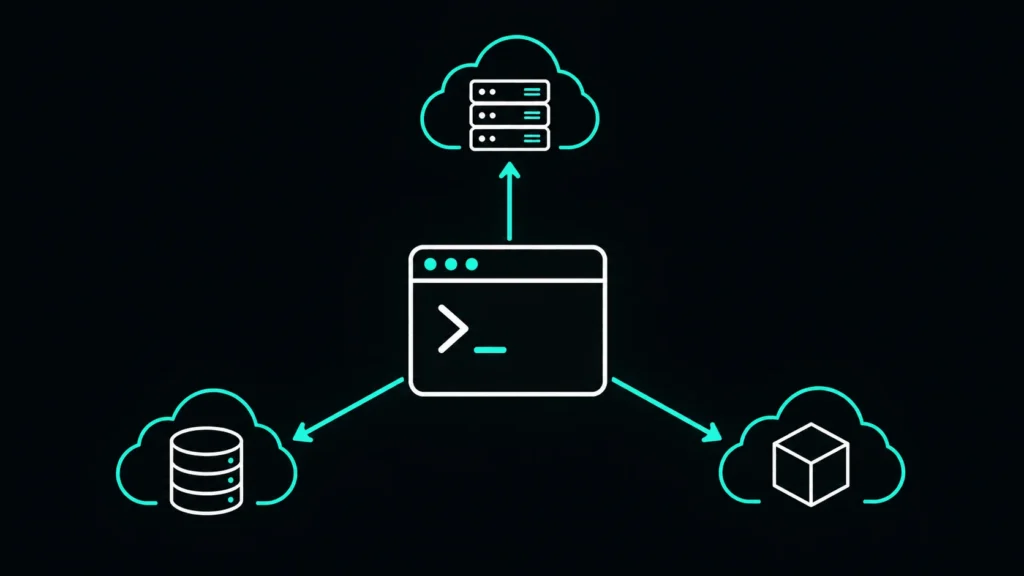
One approach runs a large open-weight model locally through Ollama, then configures Claude Code to send requests to that local endpoint instead of Anthropic’s API. This needs a capable GPU (a guide from the same author walks through running a 120B model on an RTX 5090) and some environment setup, but once it’s running, there’s no subscription and no credit card involved. Model quality won’t match Claude’s own models, especially on complex multi-file refactors, so treat this as a learning and experimentation setup rather than a production workflow.
2. Use NVIDIA NIM’s free tier with Claude Code
A second workaround points Claude Code at NVIDIA NIM, which offers free access to a large catalog of open-weight models through an API-compatible endpoint. This avoids local hardware requirements since NIM runs the models in NVIDIA’s cloud, but it still means you’re not using Anthropic’s Claude models at all, only the Claude Code interface and workflow.
Compare Your Options Before You Commit
Pick Based on How You’ll Actually Use it
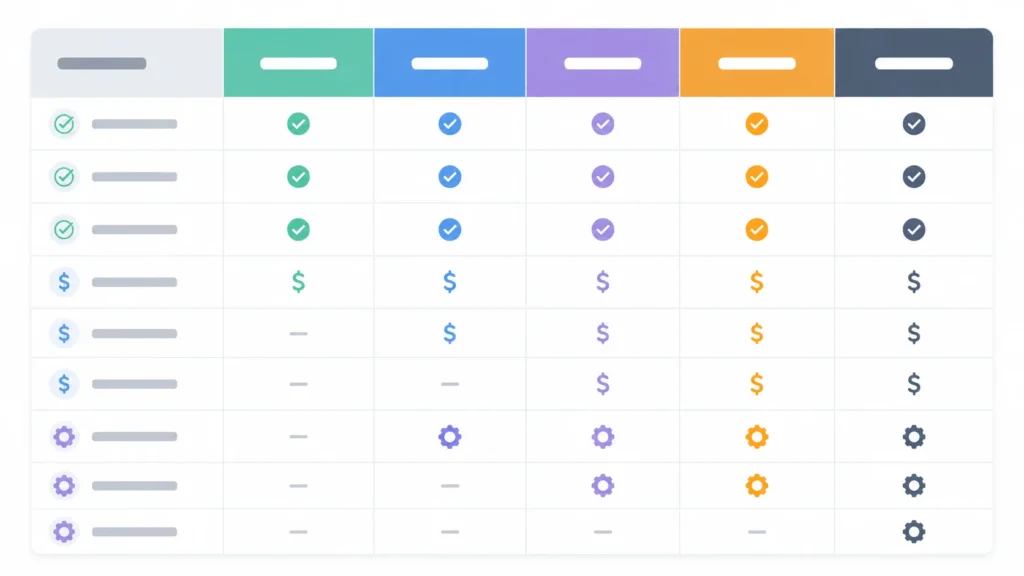
If you want Anthropic’s own Sonnet or Opus models handling your codebase daily, Pro is the realistic starting point, not Free. If you’re just curious and want to poke at Claude Code for an afternoon, the API’s small starting credit covers that without a subscription. If you maintain a qualifying open source project, apply for the free Max access before paying for anything. If your goal is zero cost long-term and you’re comfortable trading model quality for that, the Ollama or NVIDIA NIM routes keep the Claude Code workflow without an Anthropic bill.
Bottom Line on Claude Code Free Access
There’s no shortcut to running Anthropic’s own models through Claude Code without paying something, whether that’s a Pro subscription, API credits, or qualifying for the open source program. What changes month to month is how generous the entry points are, so check claude.com/pricing before you build a workflow around any specific number.
FAQ’S
1. Is Claude Code really free to use?
No, not for the terminal-based coding agent itself. The free Claude plan only covers chat on web and mobile. Claude Code requires Pro, Max, Team, Enterprise, or API credits.
2. What’s the cheapest way to use Claude Code?
A Pro subscription at 17 dollars a month billed annually is the cheapest official Anthropic plan that includes Claude Code. New API accounts also get a small starting credit if you’d rather test it pay-as-you-go.
3. Can I use Claude Code without a credit card?
Community workarounds route the Claude Code CLI to a local model through Ollama or to NVIDIA NIM’s free tier instead of Anthropic’s API, avoiding a subscription entirely. Model quality is lower than Claude’s own models on complex tasks.
4. Does Anthropic ever offer Claude Code free for open source developers?
Yes. The Claude for Open Source program gives qualifying maintainers six months of Max 20x access at no cost. Check current eligibility rules on Anthropic’s site.
5. Will the free tier for Claude Code change?
Anthropic has tested tightening and loosening access before, including a brief test in April 2026 that removed Claude Code from Pro before reverting it within hours. Treat any free-tier detail here as a snapshot, not a permanent guarantee.